Key Takeaways
- Collagen is a protein your body makes naturally, and production slows as you age.
- Fine lines, looser skin, and thinner skin around the eyes can signal collagen loss.
- Sun exposure, smoking, alcohol, poor sleep, and ongoing stress can all speed up that loss.
- Protein-rich foods, vitamin C, water, and steady sleep help support your skin.
- Radiofrequency treatment uses gentle warming to encourage collagen production.
- Thin eyelid skin and oil gland changes can affect tear quality and leave your eyes gritty or tired.
- Radiofrequency uses gentle warming around the eyelids to encourage collagen while supporting the function of the oil glands that help keep tears from evaporating too quickly.
Why Your Skin Feels Different Than It Used To
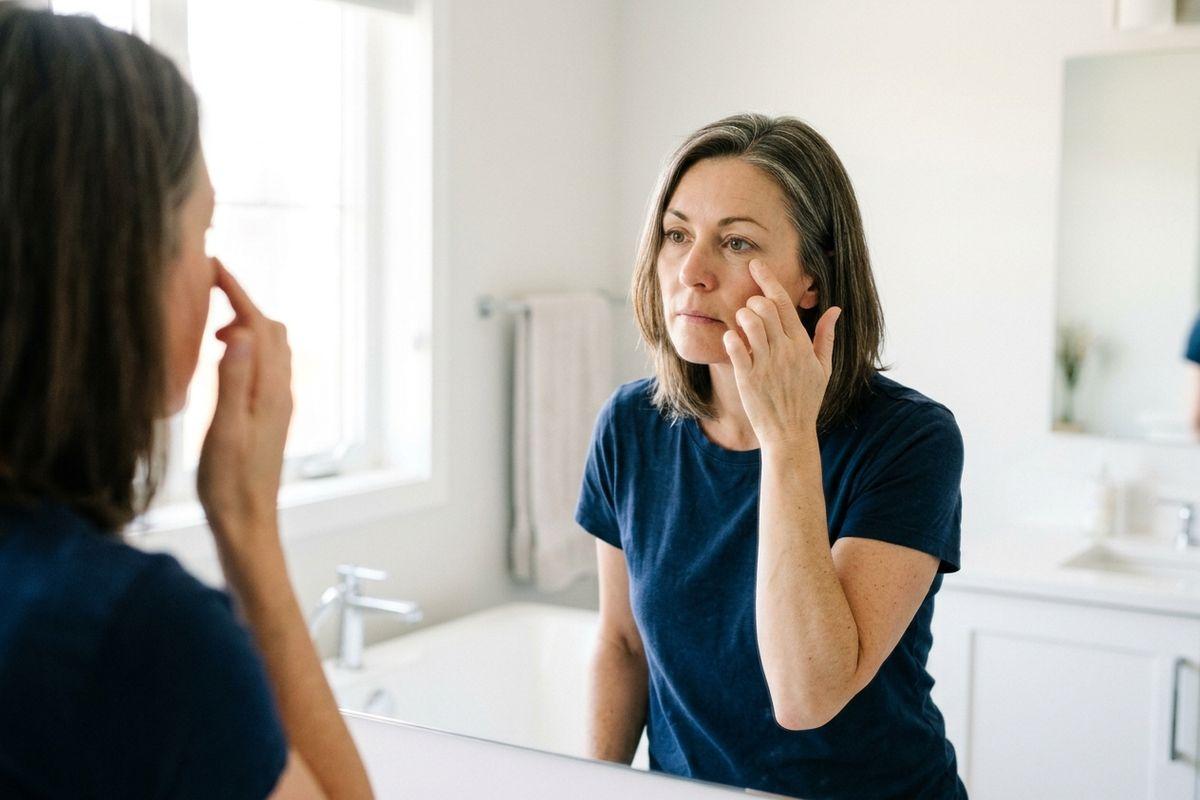
You notice it in the mirror on a bright Calgary morning. The skin under your eyes looks a little thinner. Lines stay put after you stop smiling. Your face feels less springy than it did five years ago.
You can support collagen in your face through steady habits like sun protection, quality sleep, and a diet rich in protein and vitamin C. Our team at Sun Valley Eye Care can also walk you through in-office options such as radiofrequency treatment.
What Collagen Does for Your Skin
Collagen is a protein your body makes on its own. It helps keep your skin smooth, firm, and flexible, so that your face bounces back when you laugh or squint.
Production slows gradually with age. That change is normal, and it happens slowly enough that you may only notice it years later.
Signs of Collagen Loss
Shifts in collagen levels show up in small ways first, often around the eyes before anywhere else. They include:
- Fine lines and wrinkles
- Looser skin with less spring to it
- Thinner skin around the eyes
What Speeds Up Collagen Loss
Some daily habits move things along faster. Time outside without sun protection, smoking, and alcohol all play a part. So do short nights and ongoing stress, which add up over time.
Natural Ways to Support Collagen in Your Face
Food and Drink Choices
What lands on your plate matters. Protein-rich foods, vitamin C, and antioxidants give your skin something to work with.
Water helps too, along with bone broth and green tea. Cutting back on added sugar can also be helpful.
Daily Habits
Aim for 7 to 9 hours of sleep every night. Wear sunscreen and sunglasses when you head outdoors, even on cloudy Calgary afternoons, as the sun still reaches your face.
Skipping smoking helps, and so does finding a way to manage stress.
Skin Care and In-Office Options to Consider
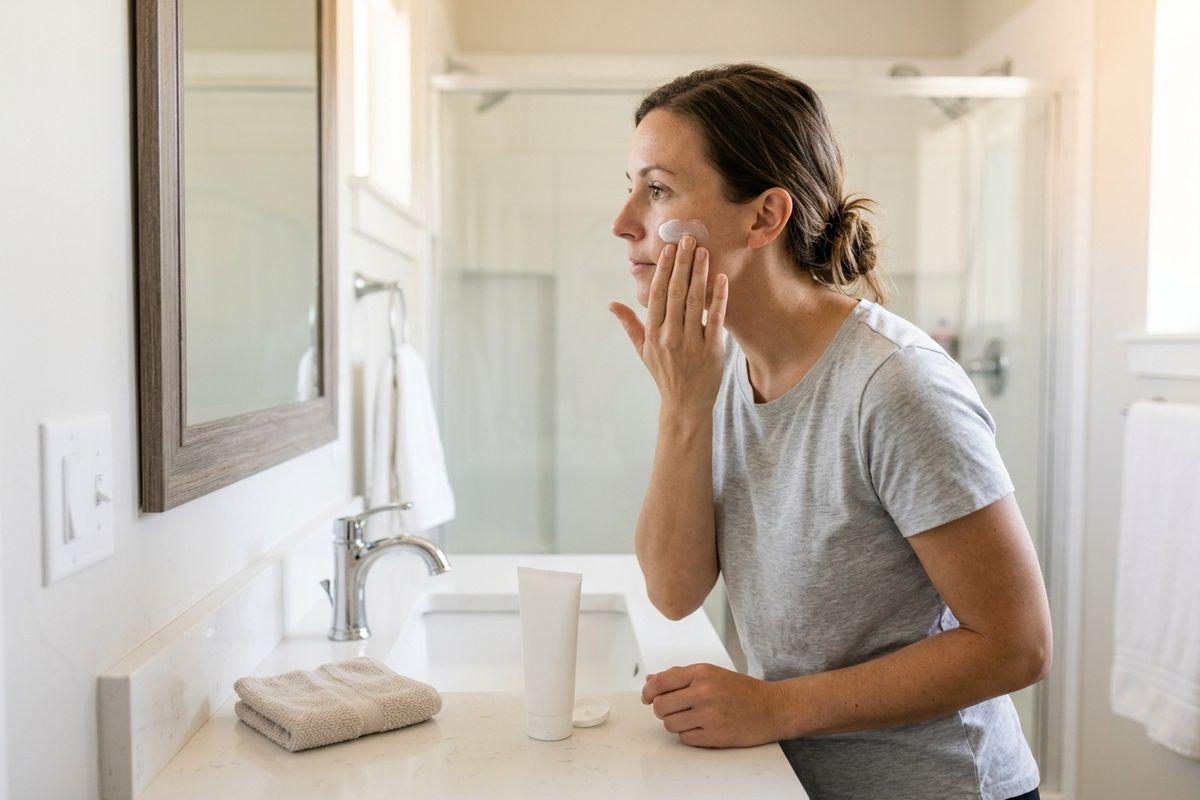
A moisturizer with sunscreen does two jobs at once. Retinol and vitamin C are worth considering as well, as is light therapy, which is often used to support collagen levels. Beyond that, microneedling, fillers, and laser resurfacing are also popular options.
While healthy lifestyle and skincare habits can support your skin, some in-office treatments can address concerns around the eyes as well. For patients experiencing dry, gritty, or tired eyes, treatments that target the eyelids and oil glands may help support a healthier tear film.
Radiofrequency as a Treatment Option
Radiofrequency uses gentle, controlled warming around the eyelids to support collagen production while also helping address the oil glands that contribute to a healthy tear film. When these glands aren’t functioning properly, the tears can evaporate too quickly, which may leave your eyes feeling dry, gritty, or tired. At Sun Valley Eye Care, radiofrequency may be used as part of a dry eye treatment plan to support healthier eyelid and tear film function.
How an Optometrist in Calgary SE Can Help
As your optometrist in Calgary SE, we offer in-office radiofrequency treatments that can help boost collagen production. If you’re concerned about the health and look of your eyelids, we’ve got you covered! Book an appointment with our team at Sun Valley Eye Care and let us help you find the look you deserve.