
Key Takeaways
- The sooner you seek treatment for a stye, the sooner it can begin to heal.
- A stye is a small, painful lump that forms when an oil gland along the eyelid becomes blocked and infected.
- Styes are not spread through casual contact like hugging or being near someone.
- Bacteria can be transferred through shared towels, pillowcases, or unwashed hands.
- Warm compresses often make styes worse rather than better.
You wake up, look in the mirror, and notice a red, tender lump sitting right on the edge of your eyelid. It throbs a little. It might even look like a pimple that showed up overnight. This is likely a stye, and it is more common than most people realize. Sun Valley Eye Care sees these regularly, across all age groups, from young children to adults.
A stye forms when an oil gland along your eyelid becomes blocked, often because the meibomian glands are not functioning properly or because bacteria that normally live on the skin enter the blocked gland. Although many styes occur on their own, recurring styes may indicate an underlying problem with your meibomian glands, and it can be uncomfortable and a little alarming, especially when it shows up near your child’s eye. If you have questions about what you are seeing, our team offers urgent eye care for concerns that need prompt attention.
What Leads to a Stye
Some people seem to get styes more often than others. A few conditions and habits can make them more likely to appear, including:
- Poor function of the meibomian (oil) glands
- Rubbing your eyes with unwashed hands throughout the day
- Using old or expired eye makeup, especially mascara or eyeliner
- Sleeping on a pillowcase that has not been washed in a while
None of these means you did something terribly wrong. Instead, they create the right conditions for an oil gland to become blocked, inflamed, and painful. More importantly, recurring styes can often point to a condition called meibomian gland dysfunction (MGD), where the oil glands along your eyelid margins do not function as they should. This may be an early sign that your tear film is no longer functioning properly, and once the stye has resolved, a comprehensive evaluation can help determine whether MGD is the underlying cause.
How to Care for a Stye
Despite what you may read online, treating most styes at home with hot compresses can make them more painful, cause them to grow larger, and damage the surrounding eyelid tissue. Years of clinical experience also suggest that oral antibiotics provide minimal benefit for most uncomplicated styes. However, your eye doctor may recommend them in certain situations depending on the severity of the infection.
The Warm Compress Routine
Warm compresses are commonly recommended, but our clinical experience suggests they can often make active styes more painful and increase swelling. If you’ve ever had a skin infection and applied heat to it, you know that heat can quickly increase swelling and make it more painful. Do not apply heat to your eyelid. Heat increases blood flow, which may increase swelling and discomfort in some active styes.
The best option is to begin treatment with medication and use a cool compress to help reduce pain. The larger a stye becomes, the more scar tissue it can leave behind. The goal of treating any stye is to resolve it as quickly as possible to minimize the lump, or chalazion, that may remain afterward. In many cases, these scar tissue lumps must be surgically removed.
Clinical studies suggest that active styes may resolve more quickly when treated in their early stages with Intense Pulsed Light (IPL) therapy combined with topical medication. IPL treatment helps reduce swelling, kill bacteria, and minimize scar tissue formation in the eyelid, reducing healing time and limiting damage to the eyelid.
Most importantly, styes in adults can be an indication that their tear function should be assessed. Identifying underlying tear film dysfunction early may help slow the progression to dry eye disease and reduce the discomfort associated with it.
What to Do
A few things can slow down recovery or make things worse. Some things make it heal quicker. Here are a few key points to make sure a stye doesn’t ruin your week:
- Call your Optometrist for an emergency appointment and start treatment
- Never squeeze or pop a stye, no matter how tempting it feels
- Skip eye makeup until the stye has completely healed
- Leave contact lenses out until your eye is back to normal
Can You Catch a Stye from Someone Else?
This is one of the most common questions parents ask, and it makes sense to wonder. If your child has a stye, do you need to keep them away from siblings or friends?
Can Styes Spread?
A stye itself is not something you “catch” the way you catch a cold. You can sit next to someone, hug them, or share a meal without putting yourself at risk. However, the bacteria associated with a stye can be transferred from one person to another through shared items, including:
- Shared pillowcases or bed linens used during an active stye
- Towels or washcloths that touch the infected eye
- Touching your own eye after handling shared items without washing your hands
Everyday Contact and Styes
Normal, everyday interaction typically carries no real risk. Your child does not need to stay home from school, and you do not need to sleep in a separate room. Just avoid swapping anything that touches the eye area until the stye has cleared up.
When to See an Optometrist in Calgary
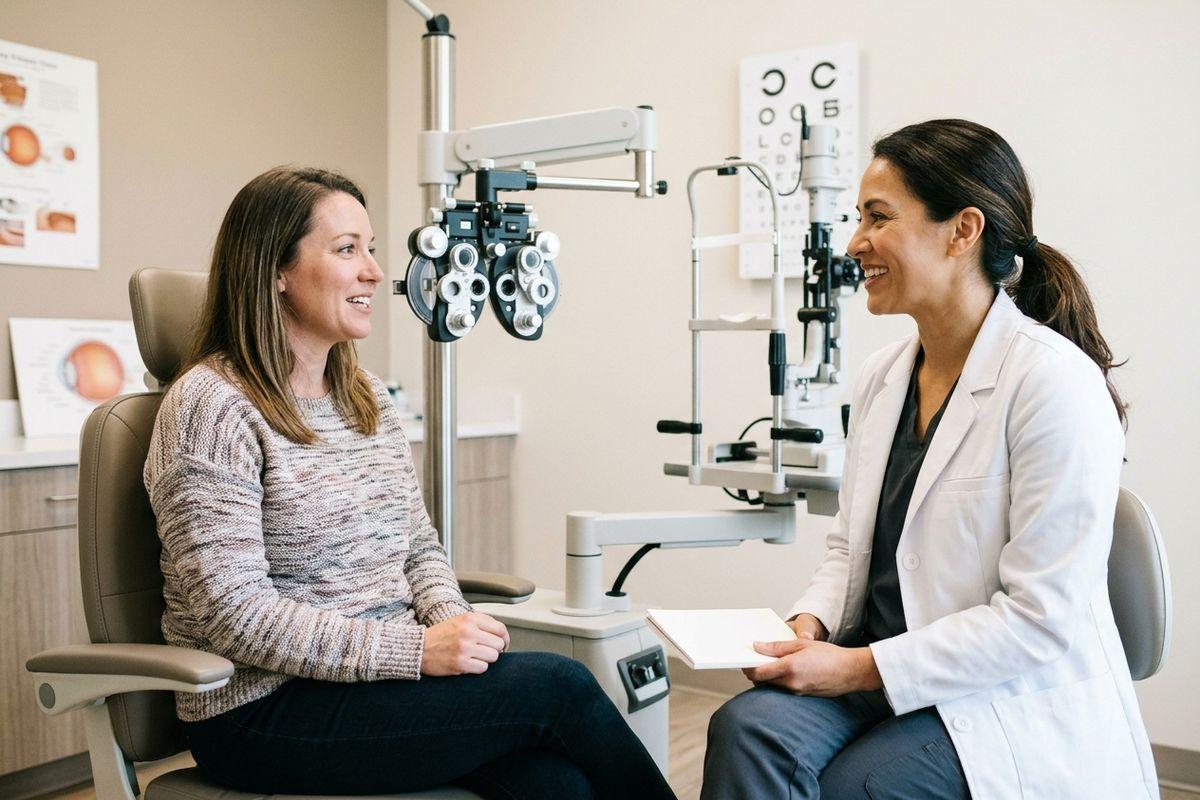
Many styes improve with conservative care, but some require professional treatment. But sometimes a stye needs a little more attention than a warm cloth can provide.
Signs It Is Time to Get Help
Keep an eye on how things progress. If things are not improving, do not wait it out indefinitely. Come see us if:
- The stye has not improved after 2 weeks of home care
- Swelling or pain is getting worse instead of better
- Your vision feels affected in any way
Professional Treatment Options
Our team at Sun Valley Eye Care can assess what is going on and recommend a path forward based on what your eye actually needs. For styes that do not respond to home care, several options are available, including:
- Antibiotic eye drops or, in some cases, oral medication to help manage the infection.
- Pollogen RF, a radiofrequency treatment that can help with recurring or persistent styes by targeting the oil glands that line the eyelid
- A minor drainage procedure for styes that are stubborn and swollen
If styes keep coming back, that pattern is worth discussing. It can point to an underlying issue with your eyelid oil glands that an eye doctor can help you manage.
We Can Help
If a stye is not clearing up or you want a professional set of eyes on it, reach out to book an appointment with our team at Sun Valley Eye Care. We can help bring comfort back to your day.