

The holiday season often means a packed schedule and lots of activity, from decorating the house to family gatherings. In the middle of all this excitement, an unexpected eye problem can be alarming.
Knowing the difference between an emergency and a minor irritation empowers you to choose the right course of action. You should seek emergency eye care for any sudden vision changes, severe eye pain, or physical injury to your eye.
At Sun Valley Eye Care, we’re always here to help you keep your eyes safe.
What Counts as an Eye Emergency?
Think of an eye emergency as any situation that could put your sight at risk. This includes injuries from accidents, sudden changes in how you see, and intense discomfort that doesn’t go away. Responding quickly is important for a positive outcome and can help safeguard your long-term eye health, so it’s helpful to know how to respond.
Red Flags & Urgent Symptoms to Watch For
If you experience any of the following signs, it’s time to seek professional care:
Sudden Changes in Your Vision
- A sudden loss of all or part of your vision in one or both eyes
- New or a sudden increase in floaters—specks or lines in your vision
- Seeing sudden flashes of light
- New or sudden double vision
Severe Pain & Discomfort
- Eye pain that is sharp, severe, or does not go away
- Pain that comes with a headache or nausea
- An intense burning or itching sensation
Physical Changes to Your Eye
- Severe redness or swelling in or around the eye
- Pupils that are different sizes
- Any bleeding from the eye
- Pus or a thick discharge from the eye
Injury & Exposure
- Any object—like metal, wood, or dirt—stuck in your eye
- Chemicals splashed into your eye
- A cut, puncture, or direct hit to the eye
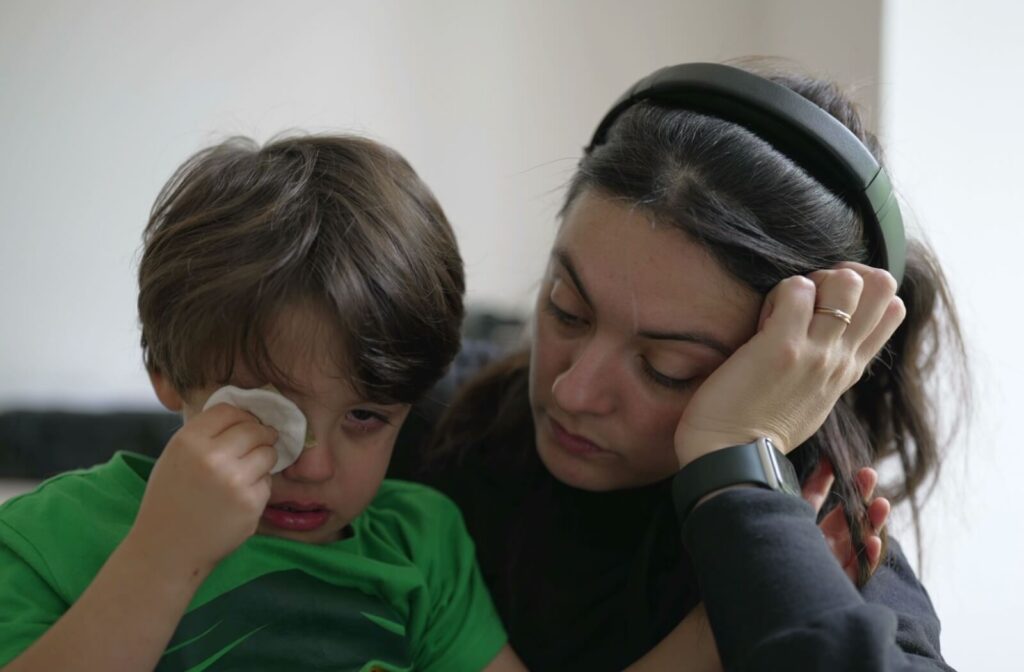
What to Do in an Eye Emergency
Your first actions after an eye injury or the onset of severe symptoms can make a big difference. Knowing what to do—and what not to do—can help prevent the situation from getting worse while you arrange for professional care.
- Do not rub or apply pressure to your eye.
- Do not try to remove an object that is stuck in the eye.
- Do not use tweezers or other tools in your eye.
- Do not use unprescribed eye drops.
For Chemical Splashes
If you get a chemical in your eye, you need to act immediately. Flush your eye with clean water for at least 15 minutes. Try to keep your eye open as much as you can while rinsing, and then seek professional help right away. These types of incidents are considered serious chemical eye injuries and require a fast response.
Optometrist vs. Hospital Emergency Room
When an eye emergency happens, you might wonder where to go. The right choice depends on the type and severity of the problem. Both your optometrist and a hospital can help, but they’re each best-suited for different situations.
When to See Your Optometrist
For most eye-specific issues, your optometrist in Calgary SE is an excellent first contact. We have the tools to look closely at your eye and can handle things like infections, scratches, foreign objects, or sudden flashes and floaters.
When a Hospital Visit Is Needed
You should go to a hospital emergency room for severe eye trauma, such as a deep cut or a large object stuck in the eye. A serious chemical burn also requires a hospital visit. If you lose vision along with other symptoms like weakness on one side of your body, this could point to a stroke, which also requires immediate hospital attention.
How to Protect Your Eyes & Prevent Injuries
While you can’t prevent every accident, taking a few simple steps for at-home eye safety can significantly lower your risk of an eye emergency. A little bit of caution goes a long way in keeping your eyes safe and healthy.
- Wear proper protective eyewear when playing sports, doing home improvement projects, or working with chemicals.
- Choose age-appropriate toys for children and keep sharp or projectile objects out of reach.
- Use sunglasses that block both UVA and UVB rays whenever you spend time outdoors.
Knowing how to recognize and respond to an eye emergency helps you stay prepared. If you or a family member experience any concerning symptoms, you should contact your optometrist. Our team at Sun Valley Eye Care can help address your eye care needs.